Restore Your System Without Starting Over
Radon mitigation fan replacement and performance repairs in Northeast WI
If your radon mitigation system is running louder than it used to, or if the manometer shows no pressure difference, the fan may have failed or lost performance. Fans typically last seven to twelve years depending on runtime and weather exposure, but they eventually wear out. Radon Safe Homes and Businesses replaces aging or failed fans with properly sized units that restore airflow and bring radon levels back down.
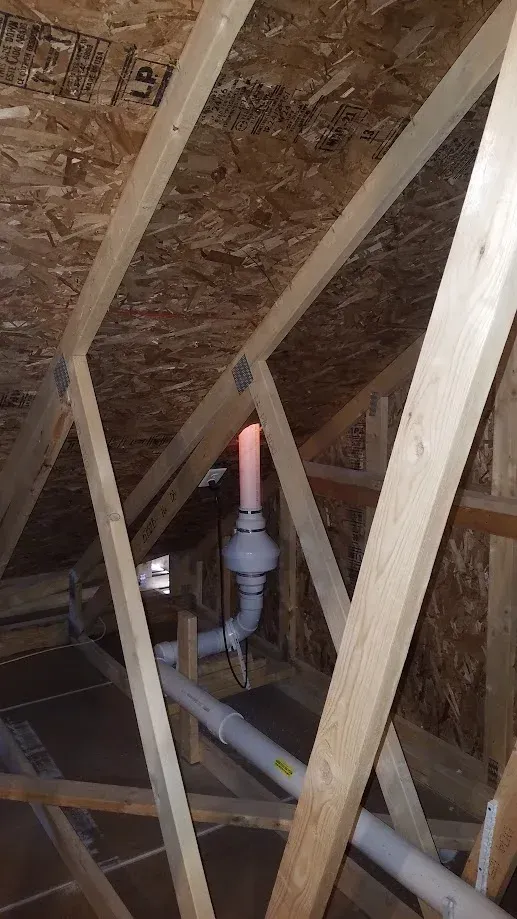
The service begins with a diagnosis of the existing system to confirm whether the fan is the problem or if piping, seals, or blockages are contributing to the issue. Once the fan is identified as the cause, a new energy-efficient unit is installed in the same location using the existing wiring and mounting bracket when possible. The replacement fan is matched to your system design, whether it is a suction system pulling air from beneath the slab venting through exterior piping.
Call for a fan performance check if your system is not working as it should.
What Changes After a Fan Replacement
When the technician arrives, they will check electrical connections. If the fan has stopped or is cycling intermittently, you will see no movement in the manometer tube. A functioning replacement restores that pressure difference immediately, and the system resumes pulling radon from beneath your foundation.
After installation, the manometer shows clear fluid movement again, confirming airflow is restored. You will hear the fan running steadily, though newer units tend to be quieter than older models. Radon levels typically drop back to safe ranges within forty-eight hours of the fan being replaced, assuming the rest of the system is intact.
The technician also inspects visible piping and seals during the visit to catch any secondary issues that could affect performance. If other components need attention, you receive recommendations at that time. Fan replacement does not require tearing out piping or reworking the slab unless structural damage has occurred. Most replacements take under two hours and use the same electrical circuit as the original fan.
Questions About Fan Performance and Replacement
Homeowners often want to know how to tell if the fan is the problem, what replacement involves, and whether the rest of the system needs work. These answers cover the practical details before scheduling service.
Radon Safe Homes and Businesses installs fans matched to your system design, whether it is an inside or exterior-mounted unit. The replacement is sized based on your home's piping layout and suction needs.
Most radon fans last seven to twelve years depending on runtime and exposure. Fans mounted outdoors in Northeast WI face freeze-thaw cycles and moisture, which can shorten lifespan slightly.
If your radon system is no longer pulling air or the manometer is not showing movement, Radon Safe Homes and Businesses can diagnose the issue and replace the fan the same day in most cases. Contact the team to schedule a performance check in Northeast WI.